
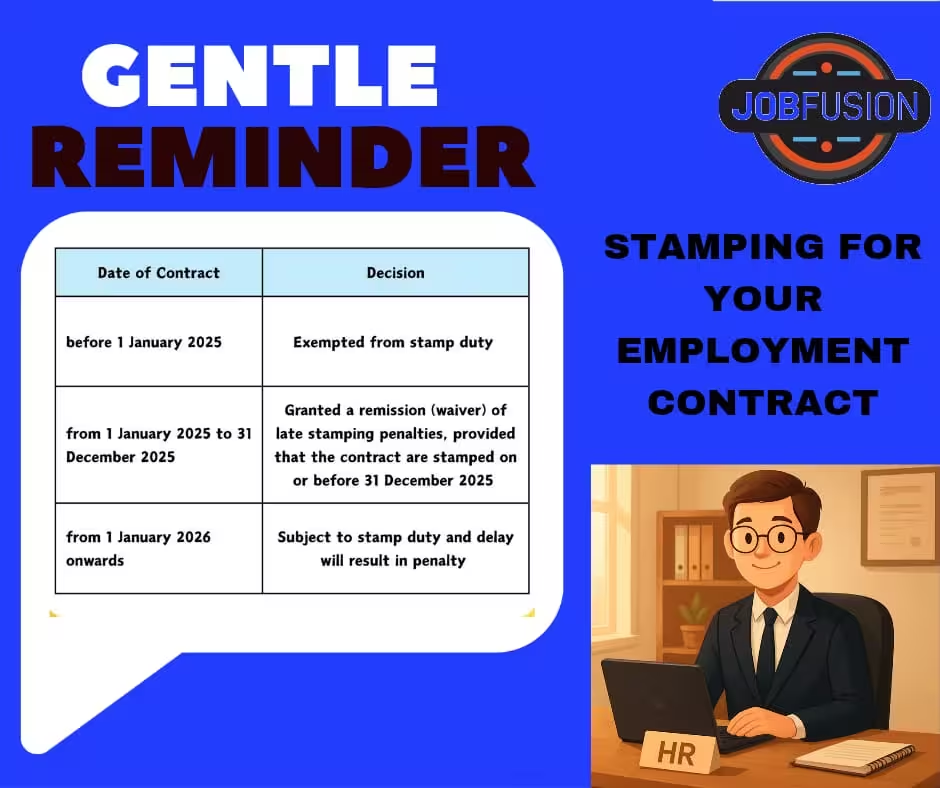
As we approach the end of the year, it’s essential to stay updated on the new regulations for stamping employment contracts. Below, we’ve outlined the key changes in the stamp duty process, depending on the date of your employment contract. This reminder is particularly relevant to employers, HR departments, and employees who are in the process of finalizing their contracts.
1. Contracts Before 1 January 2025
If your employment contract is finalized before 1 January 2025, there’s good news. These contracts are exempt from stamp duty. This means you can finalize your contract without worrying about stamp duties or penalties.
2. Contracts from 1 January 2025 to 31 December 2025
For contracts signed between 1 January 2025 and 31 December 2025, the government is offering a waiver of late stamping penalties. However, this waiver only applies if the contract is stamped on or before 31 December 2025. If you fail to stamp your contract within this period, penalties will apply. This is a great opportunity to finalize contracts without facing additional costs, but be sure to adhere to the stamping deadlines to avoid any unnecessary charges.
3. Contracts from 1 January 2026 Onwards
Starting from 1 January 2026, all employment contracts will be subject to stamp duty, and delays in stamping will result in penalties. This emphasizes the importance of timely stamping to avoid any unnecessary financial burden for both employers and employees.
Take Action Now
As an employer or HR representative, it’s crucial to ensure all contracts are processed and stamped within the required timeframes. This proactive step will help you avoid penalties and ensure smooth operations within your business.
Remember, the deadline is fast approaching for contracts signed after 1 January 2025, so make sure your contracts are stamped before 31 December 2025 to take advantage of the remission.
If you have any questions or need assistance with the stamping process, don’t hesitate to reach out. Ensuring compliance with these regulations will save both time and resources in the long run.